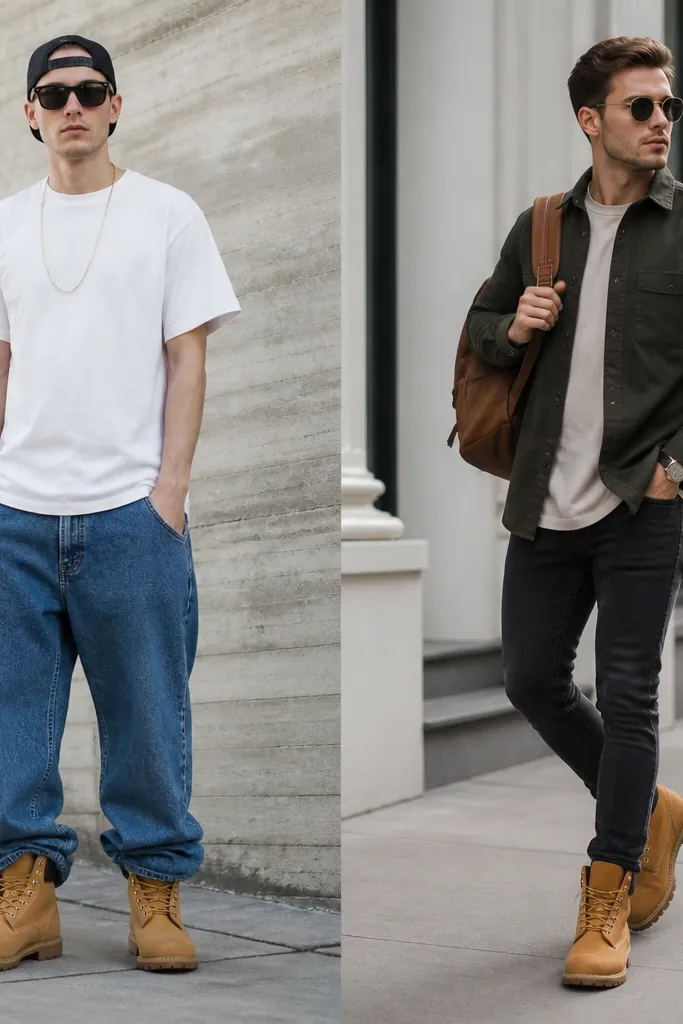
1. Cuffing too high so your socks bunch
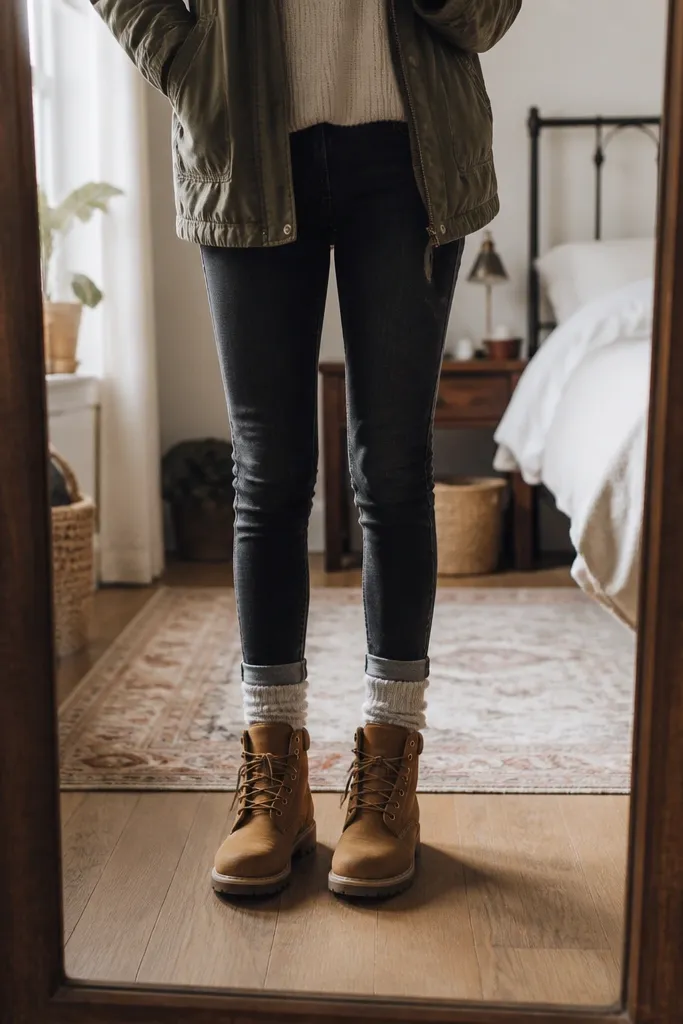
When the cuff sits too high, thick socks get forced into the boot shaft and create visible folds. It makes the leg look shorter and the boot look heavier than it is. This is especially noticeable with wheat and tan boots because the contrast highlights texture.
Cuff at mid-ankle or let the jeans fall naturally; aim for one clean fold (not a stacked roll). If you love thick socks, choose a slightly looser jean opening.
2. Skinny jeans that disappear into the boot
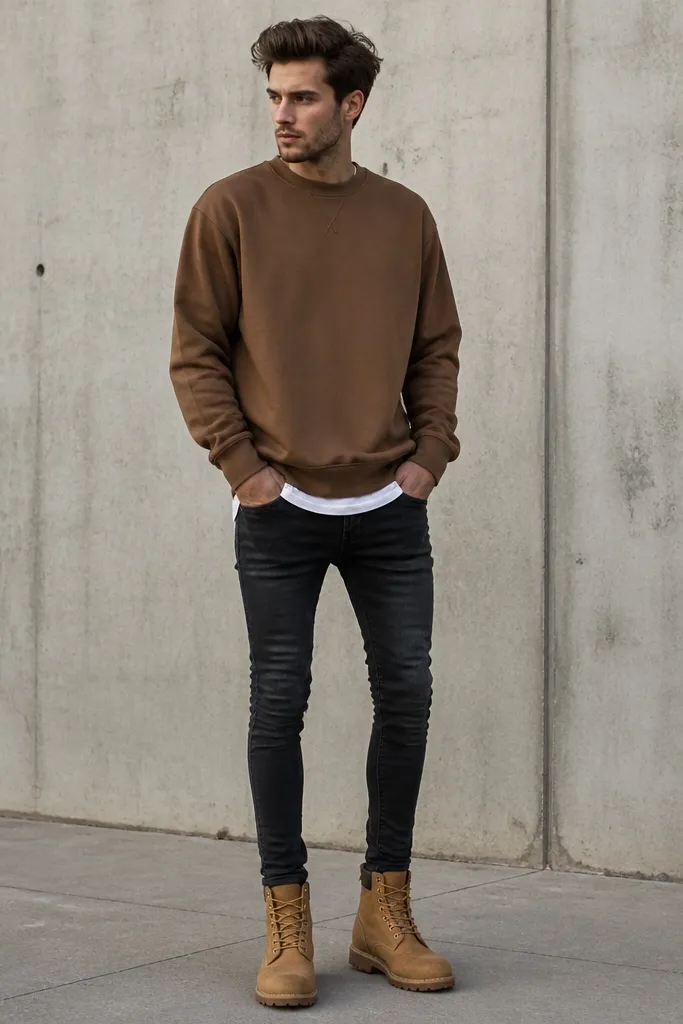
Very tight denim can compress around the boot and make the toe area look dented. The boot’s silhouette loses definition because the pant fabric is doing the shaping instead of you. This is common in stretch jeans that cling even when you stand.
Choose a slim-straight or relaxed taper that keeps a small gap at the instep. If your jeans are clingy, size up one and tailor the hem instead of fighting the fit.
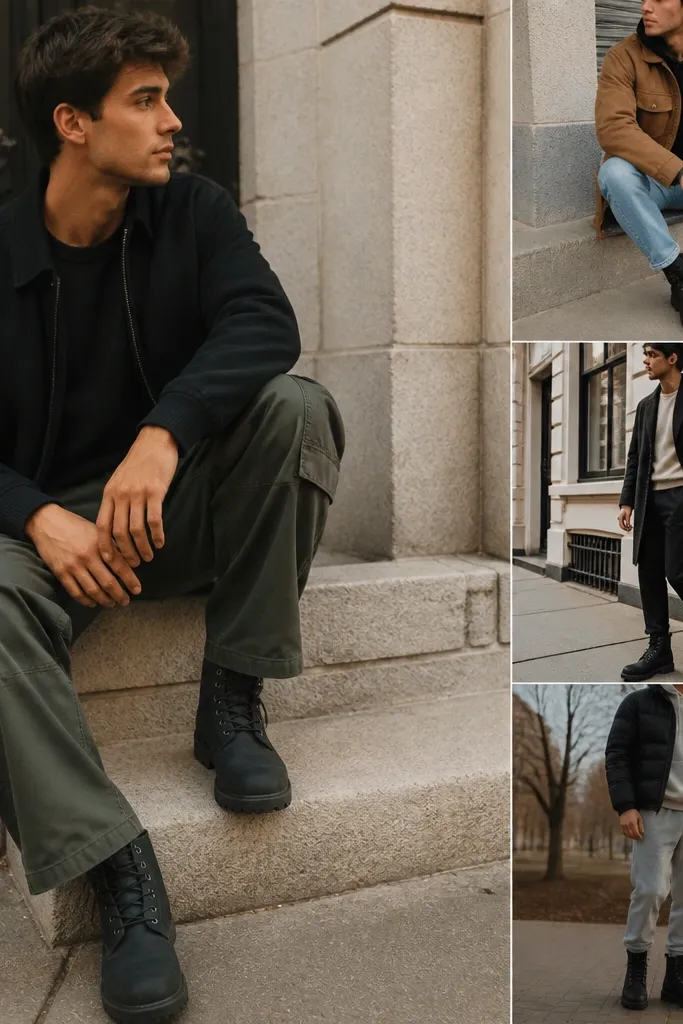
3. Baggy cargo pants pooling at the boot top
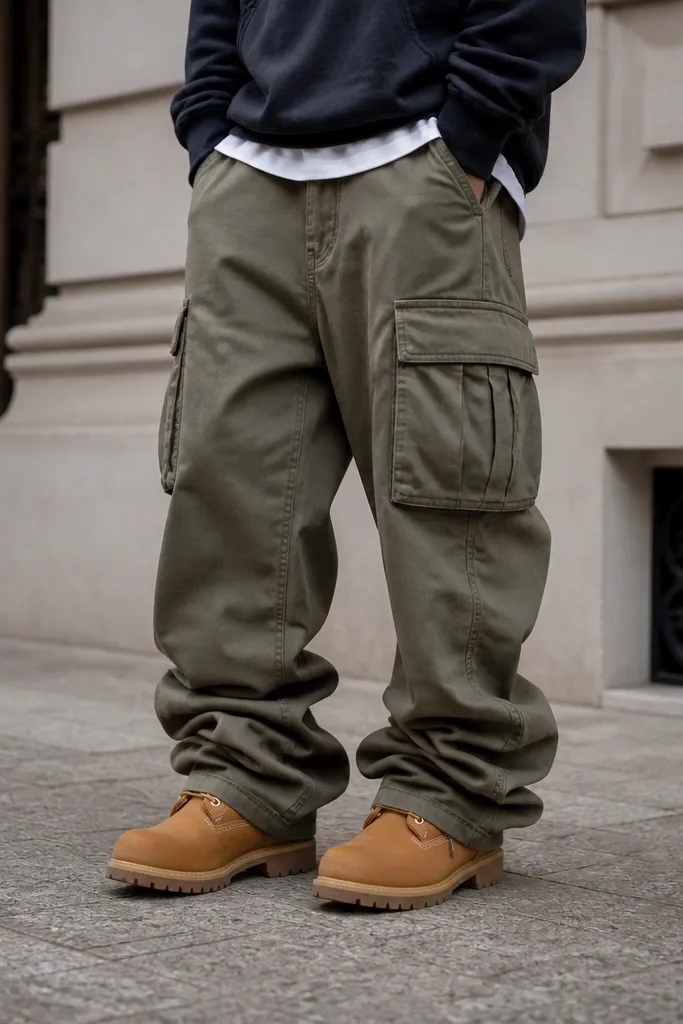
Cargo fabric is thick, and when the hem is too long it collapses onto the boot and hides the lace structure. That makes the outfit look heavier in the worst place — around the ankle. It’s also harder to walk comfortably when fabric catches on the sole.
Hem cargos so they stop just above the top edge of the boot or break once over the sole. If you want volume, add it through the thigh, not the ankle.
4. Wrong pant break length for ankle height
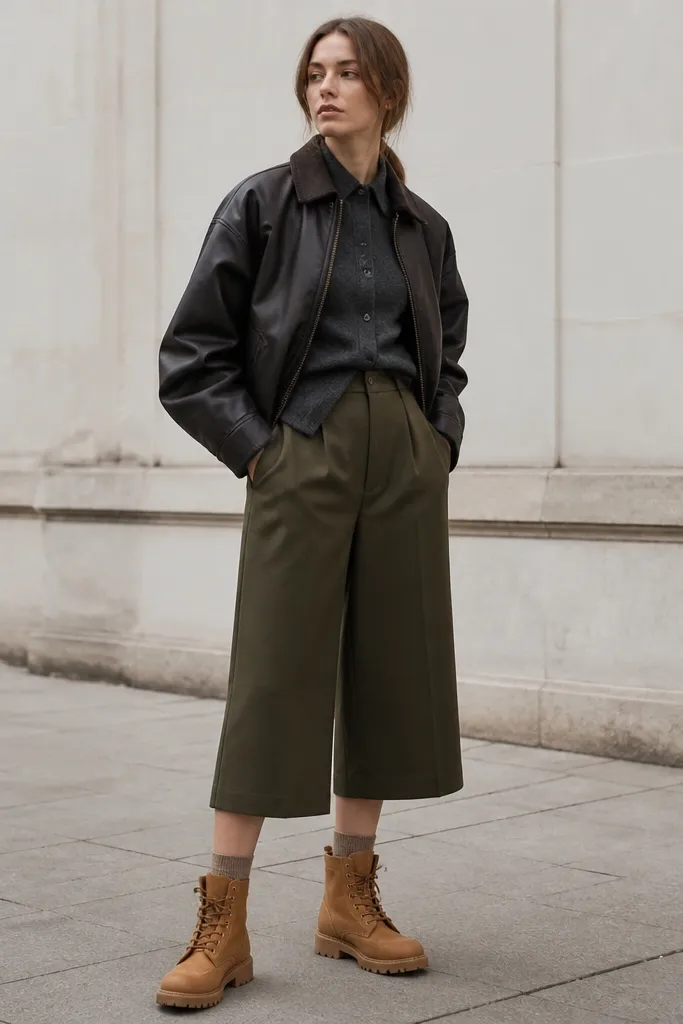
Wide-leg pants need a break that visually “lands” at the boot. If the hem ends too high, the boot looks detached and the leg line breaks. If it ends too low, you get a bunchy stack that fights the boot’s chunky sole.
Pro tipFor ankle-height Timberlands, aim for a hem that touches the upper part of the sole or breaks once. Take a quick test: sit down and stand up — the hem should not ride up onto the laces.
5. Wearing dress socks with boots (it shows creases)
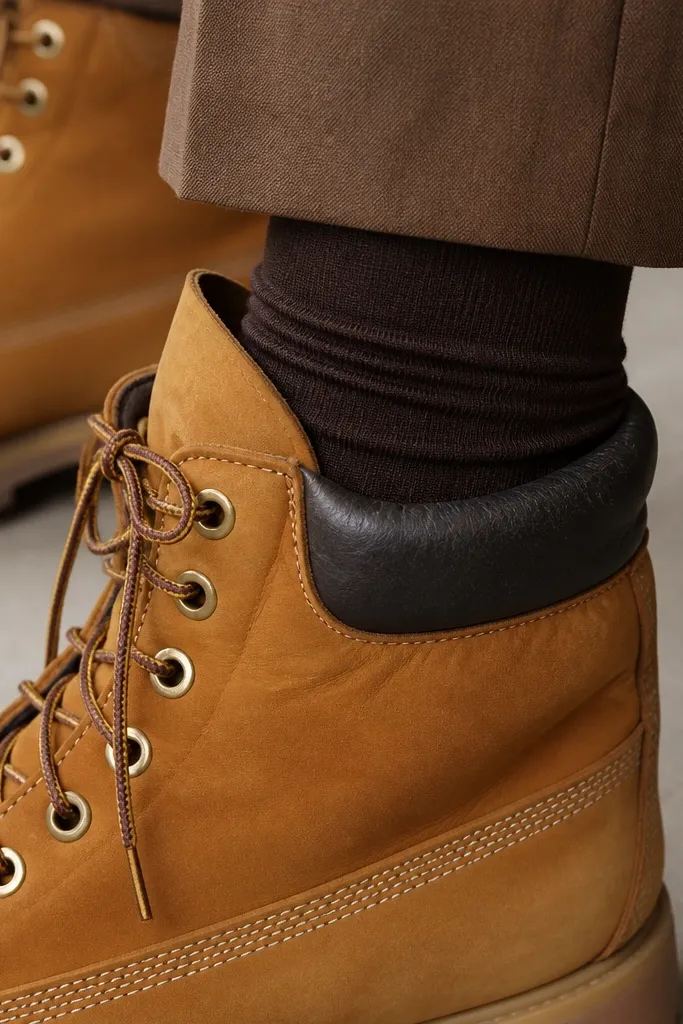
Thin socks slide and wrinkle, especially when you have a stronger boot collar. Those creases can look accidental even if the rest of the outfit is neat. This is more noticeable in black boots because creases create lighter lines against the matte leather.
Use crew socks with cushioning (not compression). Keep the sock height consistent so the cuff sits smoothly inside the collar.
6. Skipping a belt when your outfit needs one
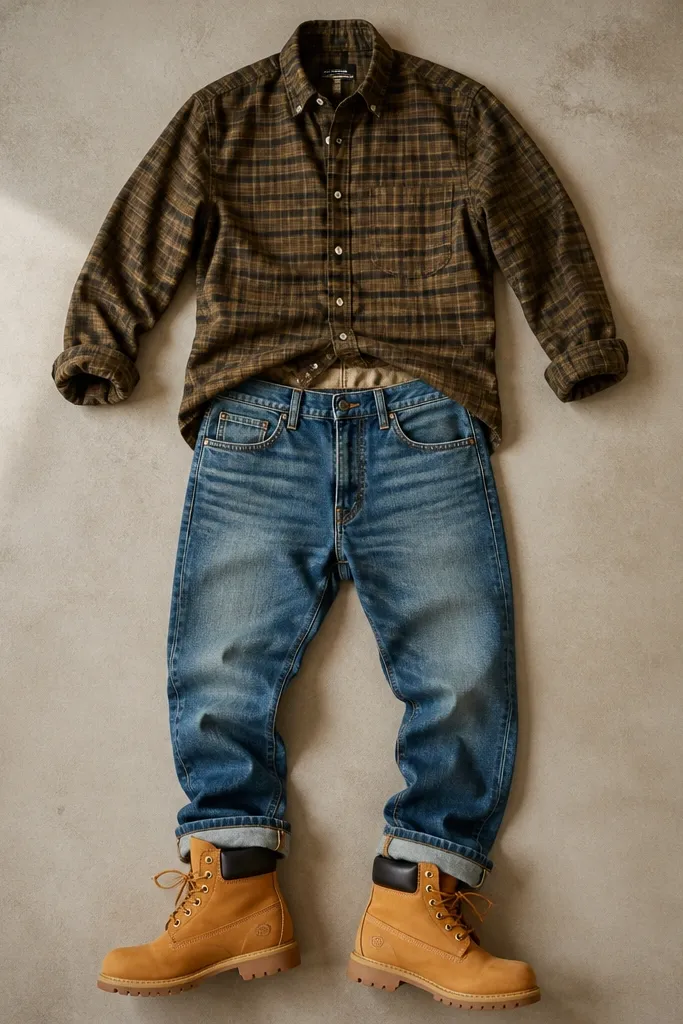
Timberlands give you a grounded, workwear vibe. Without a belt, the waist can look “floating,” and the outfit loses structure. A belt also ties your top and bottom into one line, which matters a lot when boots are visually heavy.
Add a belt that matches your boot color family (brown with brown, black with black). If your belt is too thin, go for mid-width for better balance.
7. Pairing black boots with warm earth tones only
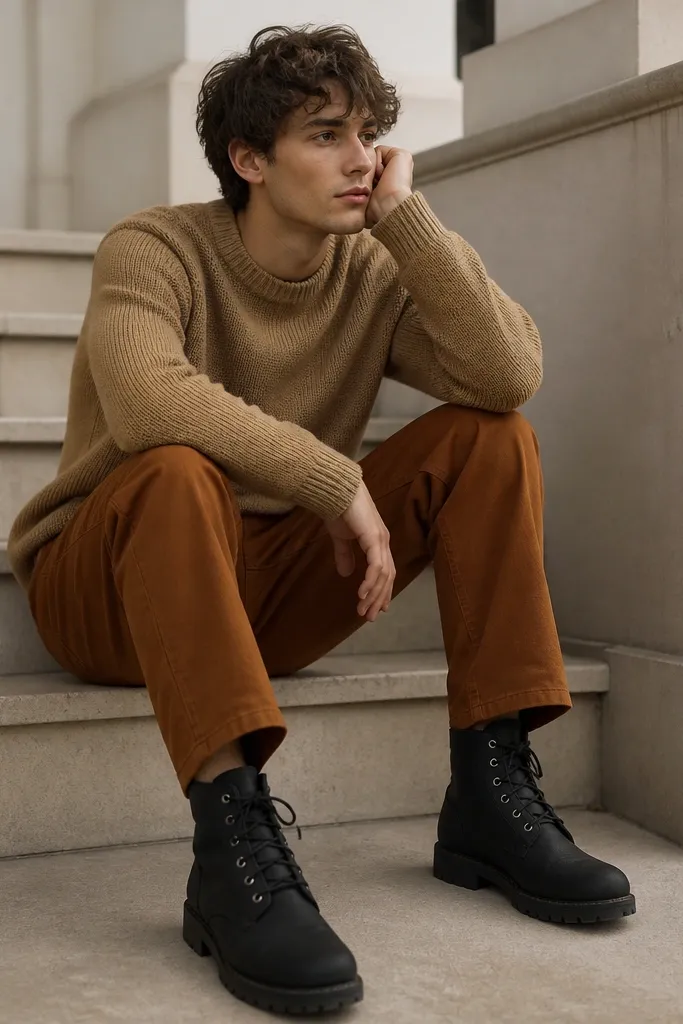
Black boots have a cooler, sharper undertone. When you lean only into warm earth tones, the outfit can look like pieces were chosen separately rather than styled. The visual “anchor” of the boots should match the rest of the palette.
Pro tipBalance black boots with either cool neutrals (charcoal, navy, slate) or repeat black in one other element like a jacket zipper or bag.
8. Matching bag color to boots exactly (too much sameness)
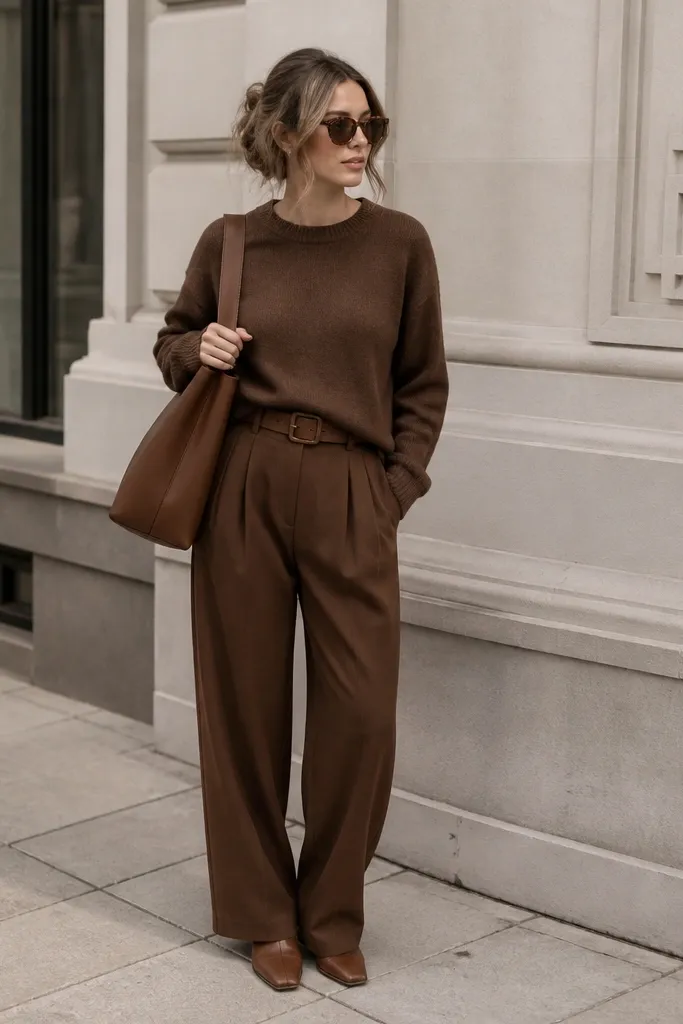
Exact color matching can look cohesive, but it can also remove contrast and make the outfit feel monochrome and heavy. Timberlands already bring texture and weight, so repeating the same brown everywhere can flatten the shape of your outfit.
Pro tipMatch the boot color family, not the exact shade. Try boots in wheat + a slightly darker or lighter accessory so you get depth.
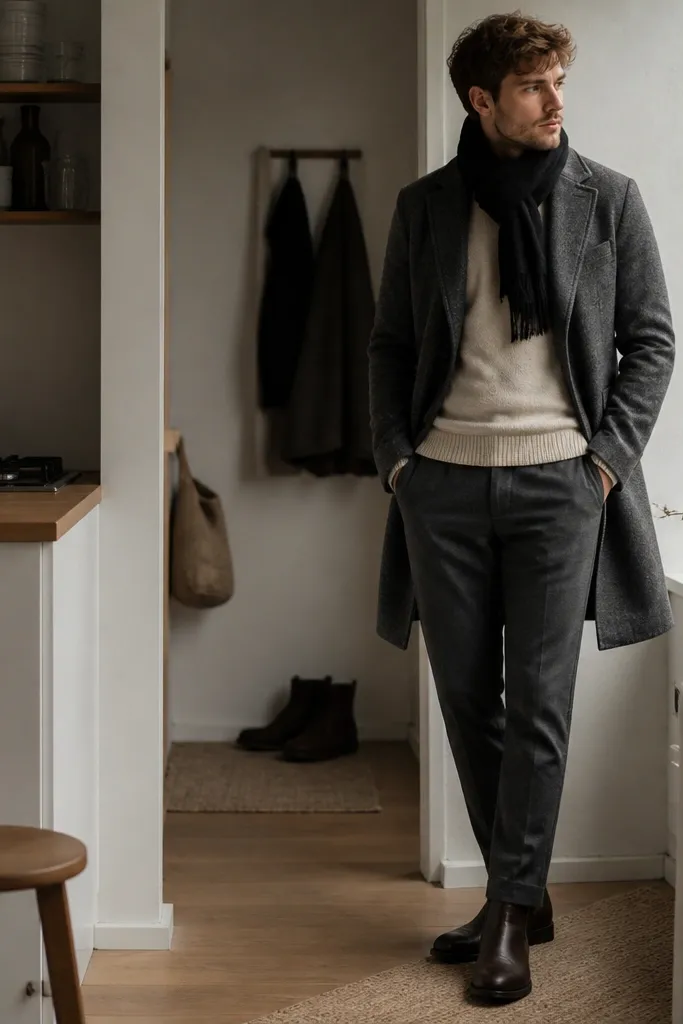
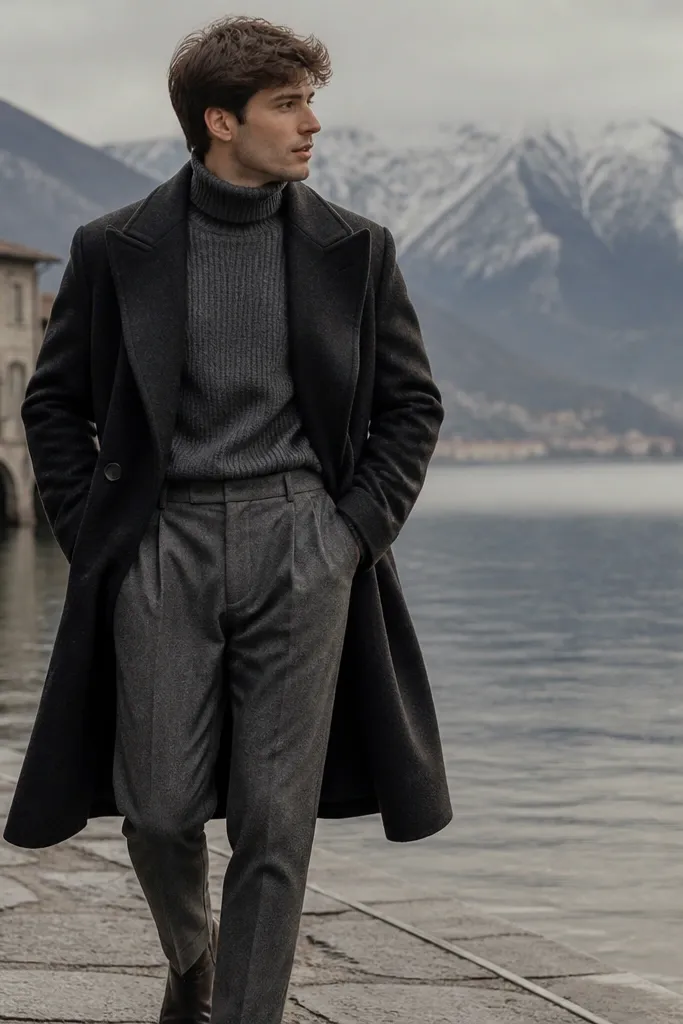
9. Long coats that swallow the boot silhouette

When the coat length covers the ankle and the boot collar, you lose that classic Timberland “frame.” The outfit turns into a single block of fabric, and your feet become visually irrelevant. It’s a common issue with men’s overcoats and women’s long trench silhouettes.
Pro tipChoose an outerwear length that ends above the widest part of the boot, or belt the coat to create a waist line. If you love long coats, wear them with slimmer pants and a clean hem.
10. Overstuffing the top tucked into thick boots
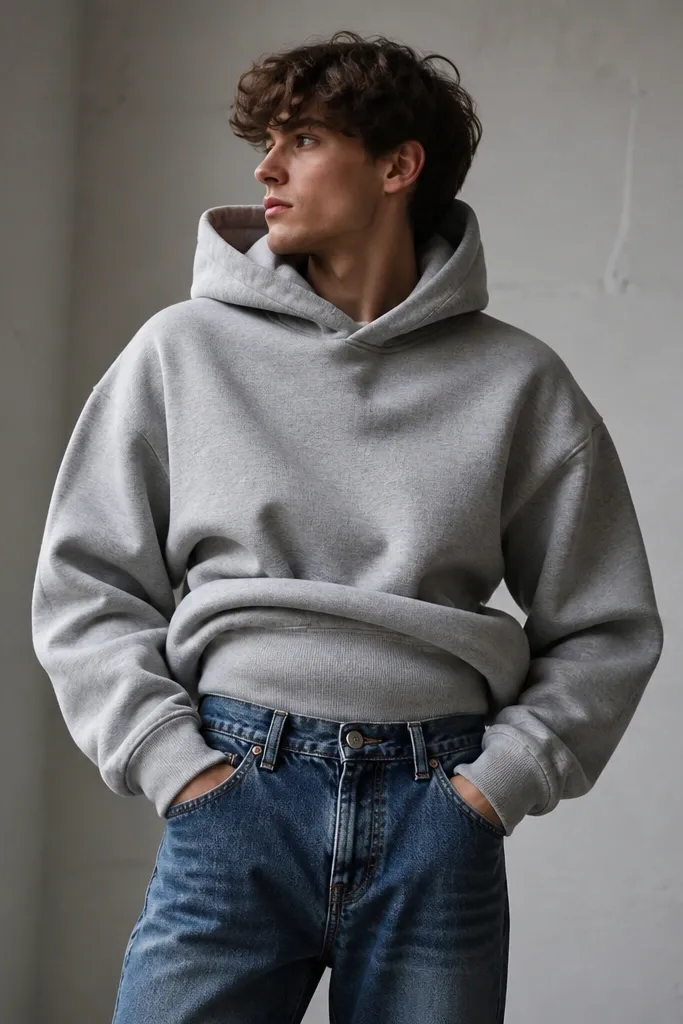
Bulk at the waist changes how your pants sit, which affects the pant break at the ankle. When the denim droops, the hem stacks over the boot and looks unintentional. This mistake is extra common with oversized hoodies and rigid denim.
Pro tipDo a partial tuck (front only) or use a lighter top fabric. If you tuck fully, smooth the waistband so the hem falls straight.
11. Choosing the wrong pant material for winter boots
Thin, slippery fabrics don’t drape well over a chunky sole and tend to cling to the boot. That creates micro-bunching that you’ll see in photos and notice while walking. It also makes wind and cold feel worse because the fabric doesn’t buffer.
Pro tipPick mid-weight denim, corduroy, or structured twill for an easy drape. If you wear leggings, choose a longer top that fully covers the transition area.
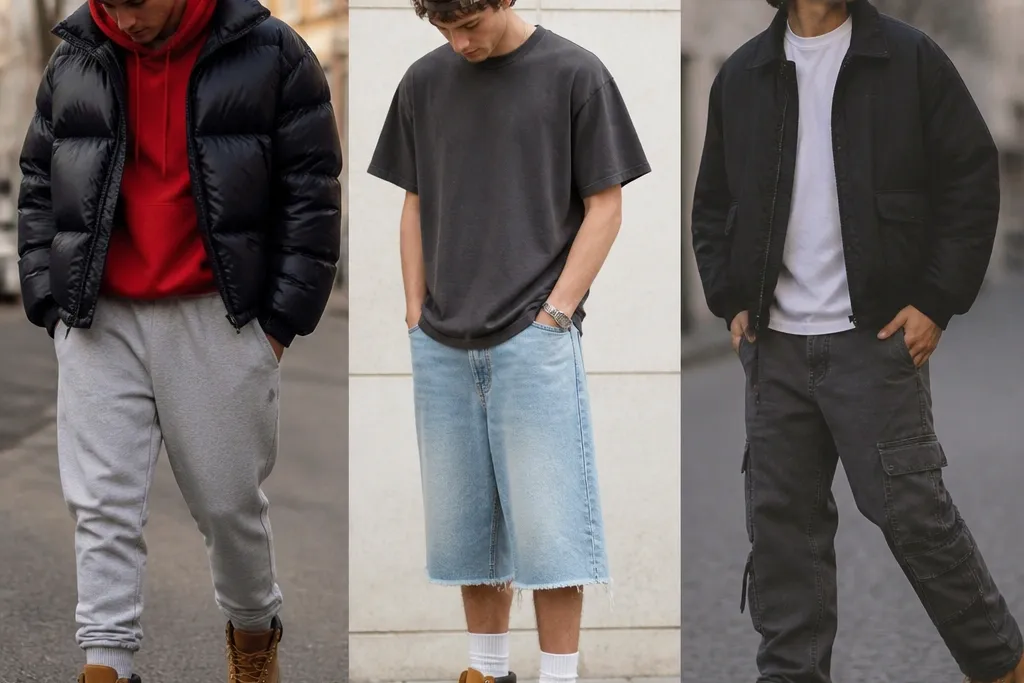
12. Wearing Timberlands with sporty shorts (no transition layer)
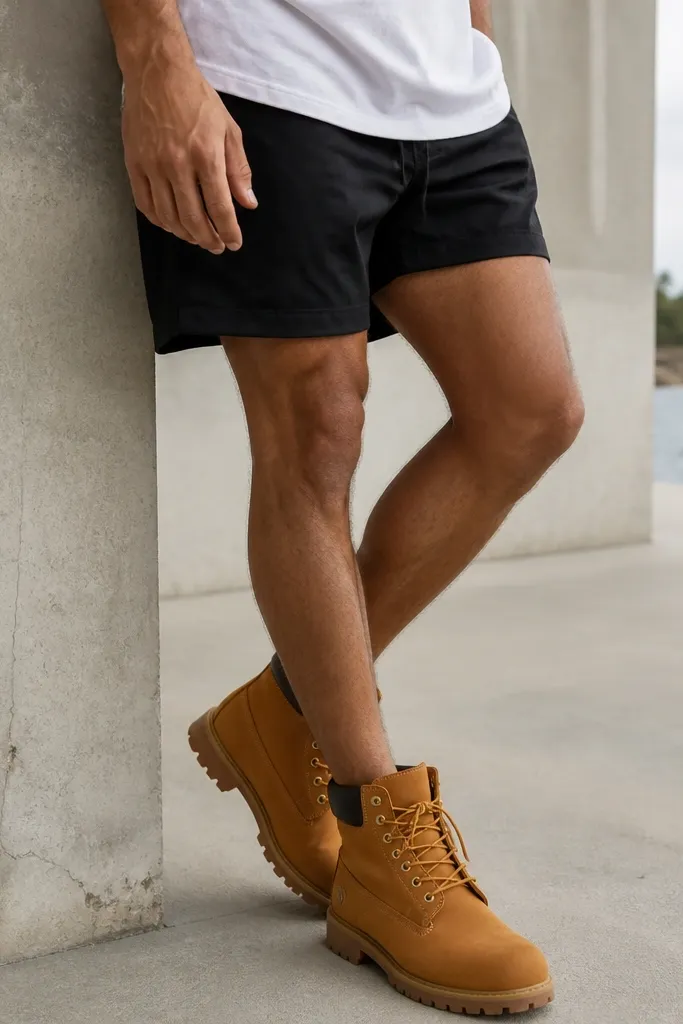
Timberlands look best when the outfit has a clear styling logic. Shorts can work, but if the sock and hem don’t create a transition, it looks like two seasons collided. The boot’s rugged sole needs a “bridge” layer like the right sock height and a fitted silhouette.
Pro tipTry longer bermuda shorts (just above the knee) with crew socks and a slightly tapered leg. Add a denim jacket or overshirt to connect the look.