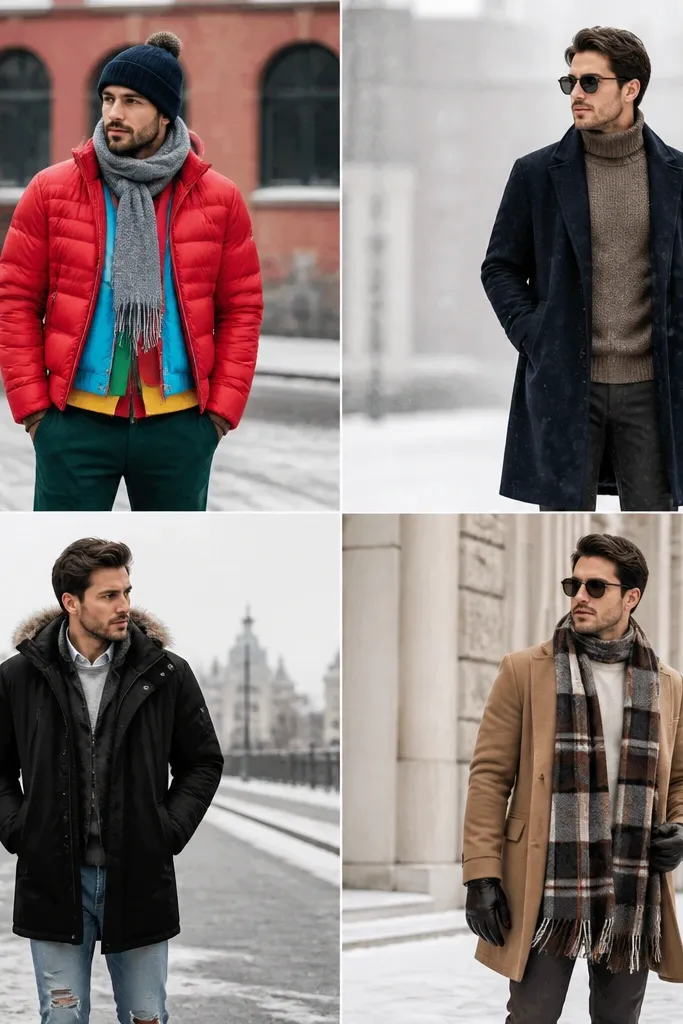
1. Buying a “puffer” that’s not windproof
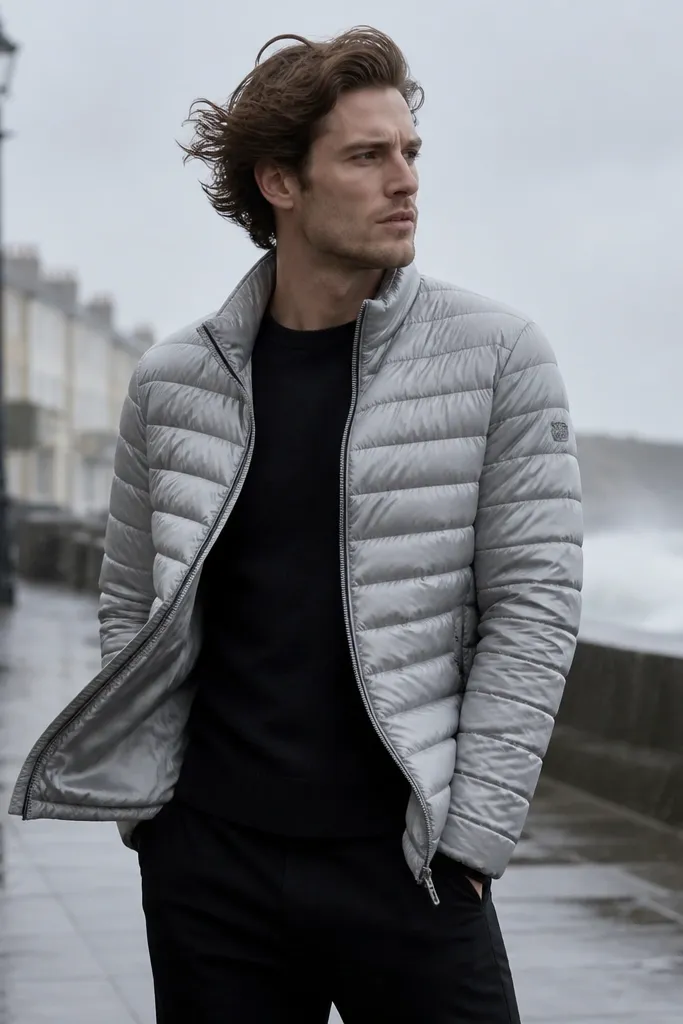
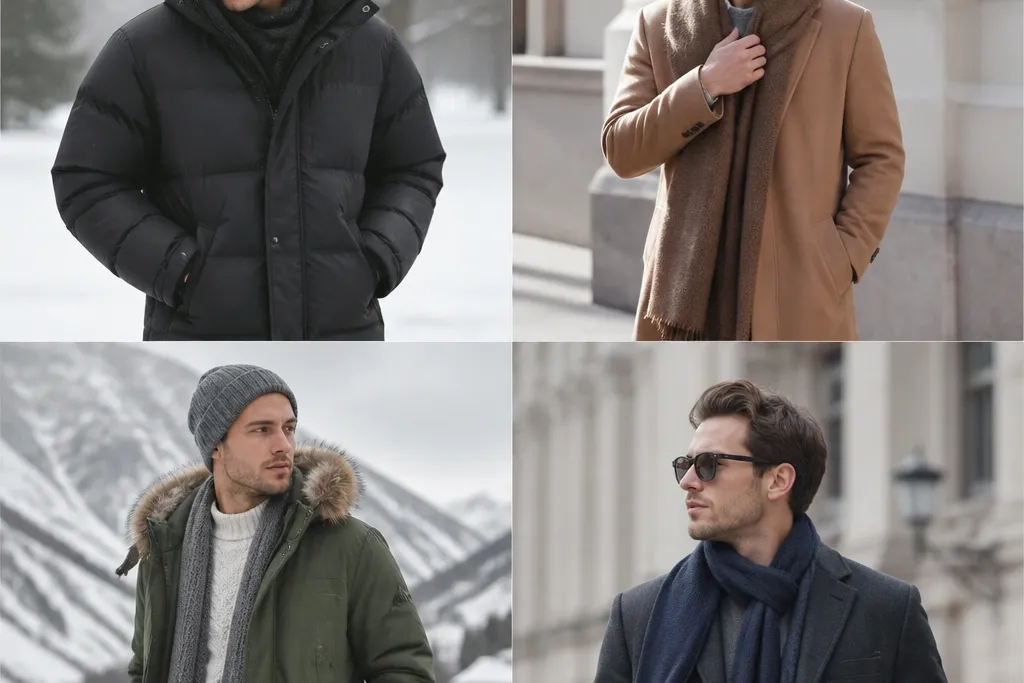
A lot of lightweight puffers have insulation but fail the wind test. If the outer shell isn’t wind-resistant (or has lots of gaps), cold air moves through and your body heat escapes fast. Look for a thicker shell fabric and a snug hood that can block air at the neck.
When you try it on, pull the hood tight and check if the collar covers your neck. If the jacket feels “drafty” at the zipper area, skip it.
2. Layering a hoodie under a tight coat

When the mid-layer is too bulky and the coat is too fitted, you lose mobility and create uncomfortable pressure points. The cold also sneaks in where layers separate, especially at the shoulders and underarms. A better setup uses a thinner insulating mid-layer or a coat with enough shoulder room.
Pro tipAim for a coat that closes comfortably with one warm layer on. If you can’t lift your arms without pulling the coat, size up or switch to a less bulky mid-layer.
3. Skipping a real base layer (just a T-shirt)

In freezing weather, a cotton T-shirt soaks moisture and cools your skin fast. Even if you “feel okay” at first, sweat from moving around can turn into chill. Base layers made from merino wool or performance synthetics trap heat and manage moisture better than cotton.
If you’re outdoors for more than 20 minutes, choose a merino or moisture-wicking long sleeve as your next base layer.
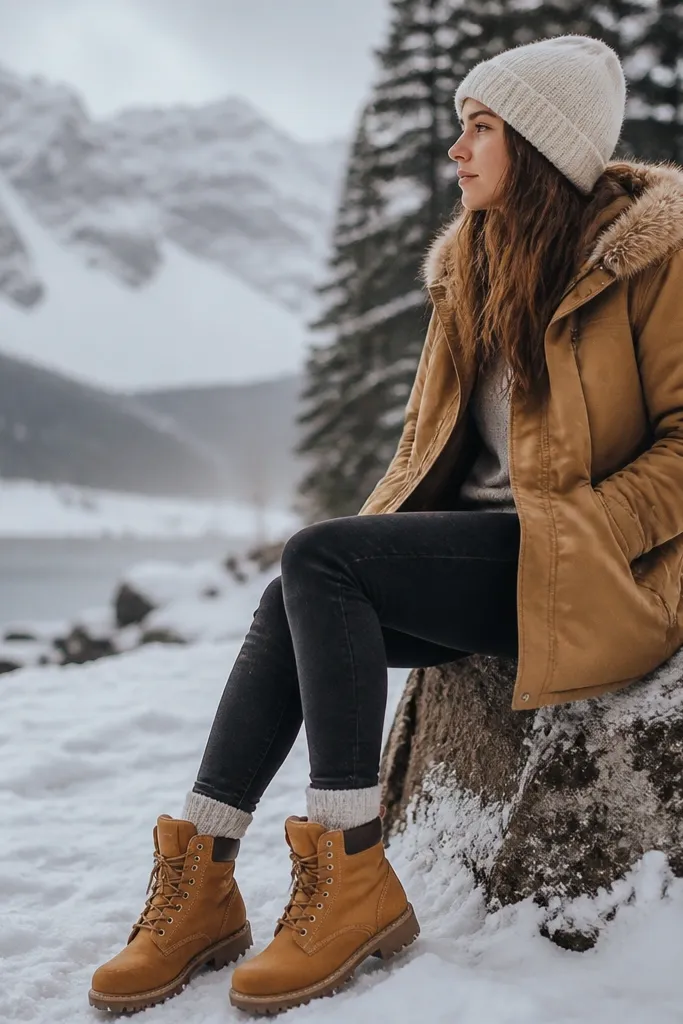
4. Wearing dress socks that don’t reach the boot line
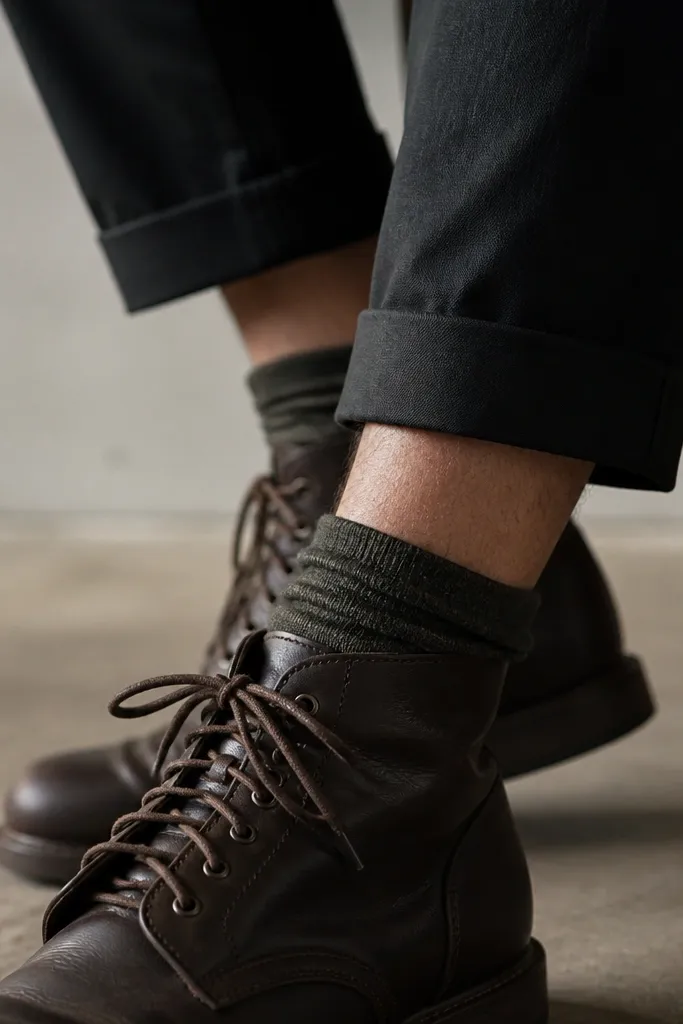
Short socks create a cold gap where snow, slush, and wind hit your skin. They also look off in photos because the ankle area becomes the visual “break.” Longer socks (mid-calf or at least boot-height) keep the leg insulated and smooth under pants.
Pick socks that hit the same height as your boot shaft or higher. If your pants bunch over the sock, switch to a slimmer sock or adjust pant break.
5. Choosing boots with zero traction for icy streets
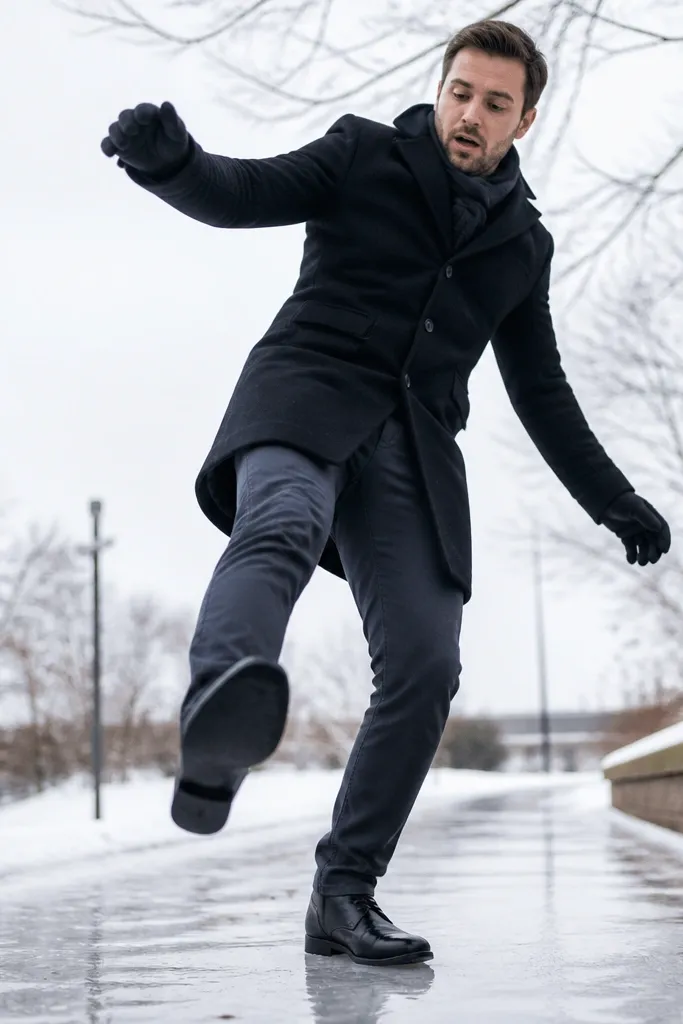
A good-looking boot can be a slip risk if the outsole is smooth or has shallow tread. Winter footing needs grip on wet, icy, and slushy surfaces. Look for rubber outsoles with defined tread and consider water-resistant uppers for salt and slush.
Before buying, check the outsole pattern and look for lug-style tread. If you can, test on a store floor that’s slightly damp or ask about winter grip ratings.
6. Overbuying thick denim that blocks layering
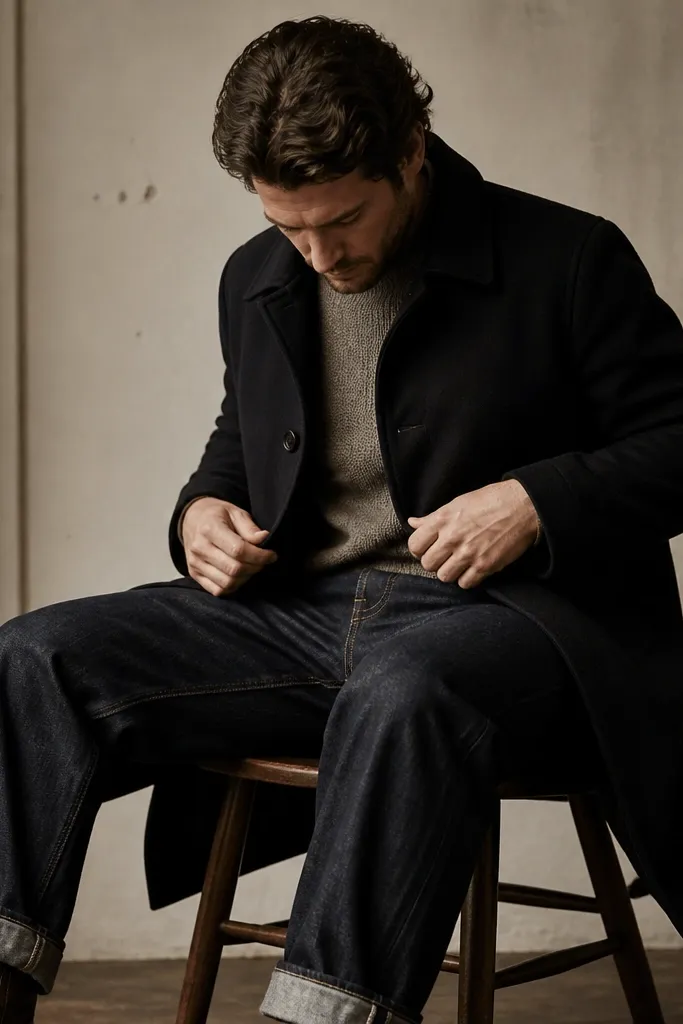
Thick denim can be warm in theory, but it often limits how well you can layer underneath without feeling squeezed. Tight layering also reduces airflow and can feel sweaty inside. If you need extra warmth, consider jogger-style winter pants or add a thin thermal layer rather than going heavier and heavier on denim.
If you want jeans, look for denim with a bit of stretch and pair it with a thin thermal leg layer when it’s truly cold.
7. Trying to “warm up” with a scarf that’s too short

A thin, short scarf can become decorative instead of protective. In winter, the scarf needs enough length to wrap at least once around the neck and cover the lower throat. Materials like wool, cashmere blends, or thick knit keep warmth better than lightweight viscose.
Choose a scarf long enough to wrap once plus tuck. If it won’t stay put when you move, it’s not doing its job.
8. Wearing gloves that don’t cover your jacket sleeve gap
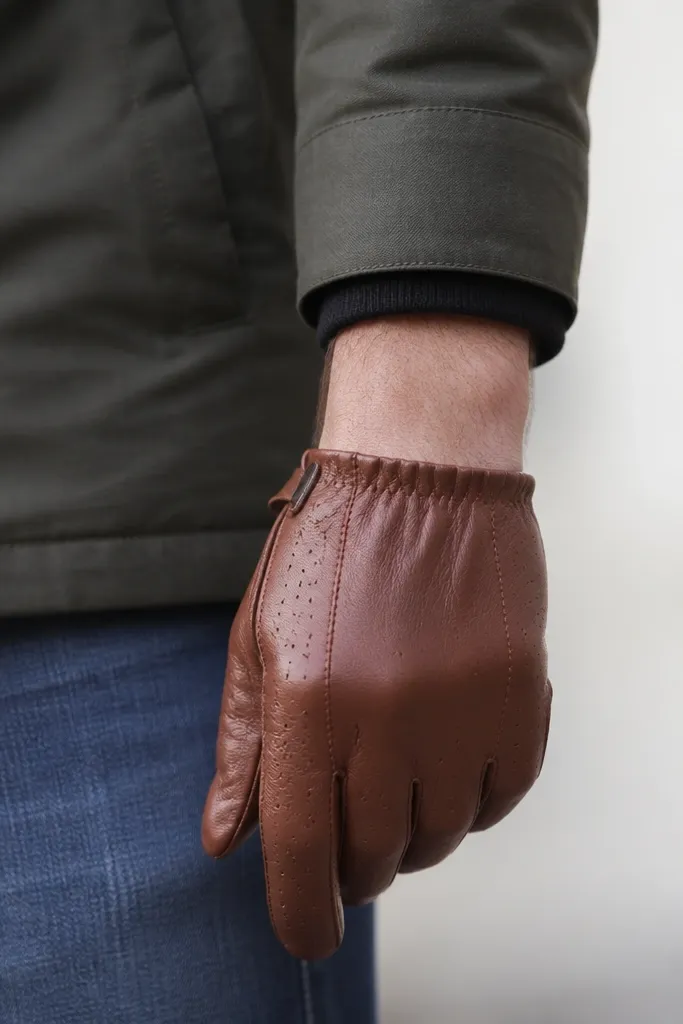
Heat loss often happens at wrists. If the glove cuff ends where your sleeve begins, cold air can travel in and your fingers get numb faster. Look for gloves with longer cuffs or ones designed to overlap the sleeve. Leather and insulated knits work well depending on your cold tolerance.
When trying gloves on, raise your arms. If you see skin between glove and sleeve, size up in glove cuff length or choose a longer cuff style.
9. Using a beanie that sits too high (forehead exposed)

A beanie that rides up can leave your temples and forehead cold, even if the crown is covered. The goal is a snug fit that stays put without squeezing your eyebrows. Ribbed knits or thicker wool blends usually hold shape better than thin stretch caps.
After you put it on, check your temples in the mirror. If you can pull it up easily or see forehead exposure, try a thicker knit or a different size.
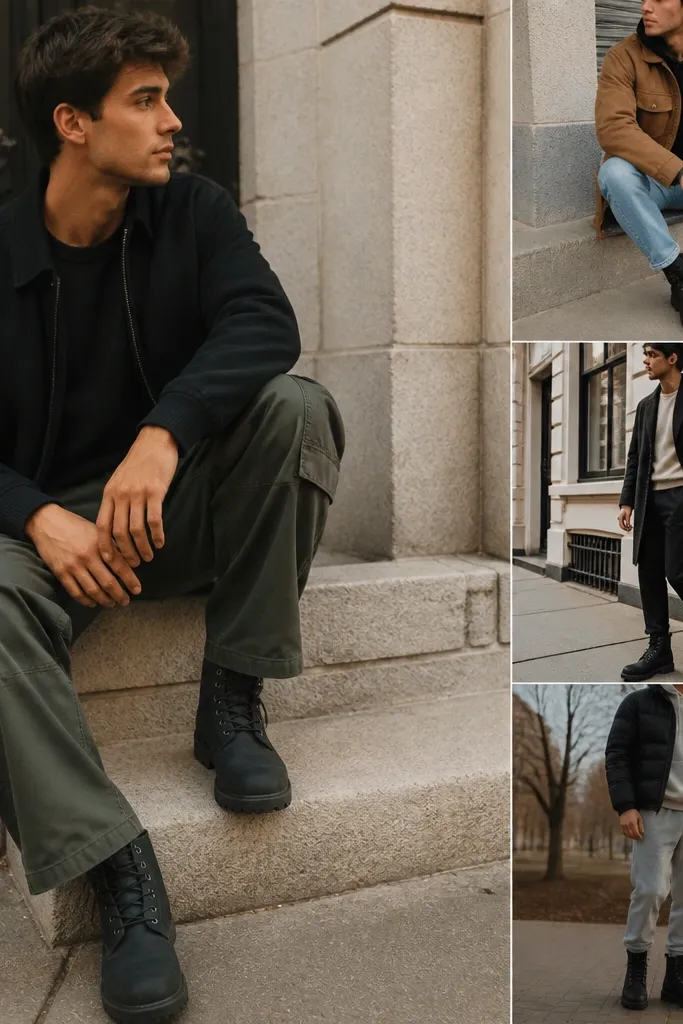
10. Overlooking pant break: too long in boots, too short in sneakers
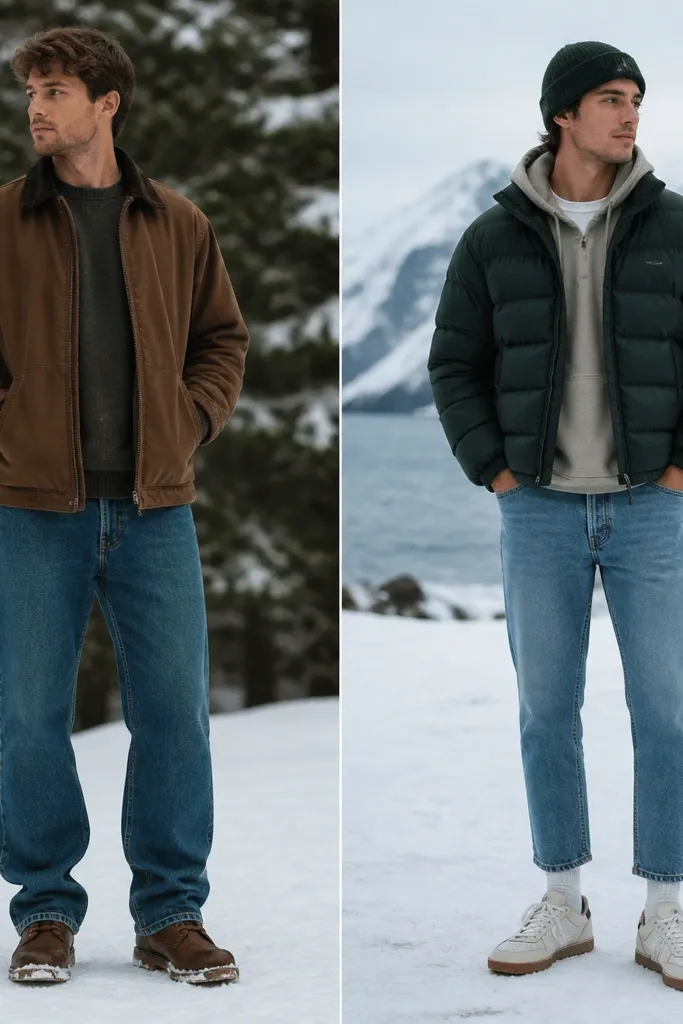
Pant length changes your winter comfort fast. If jeans are too long, they collect slush and stay wet. If they’re too short, you get that cold ankle gap and the outfit looks unfinished. Aim for a break that sits just above the shoe/boot top or lightly stacks, depending on your footwear.
Pro tipTry your pants with the exact boots you plan to wear. Walk around for 30 seconds — if they drag or expose skin, tailor the length.
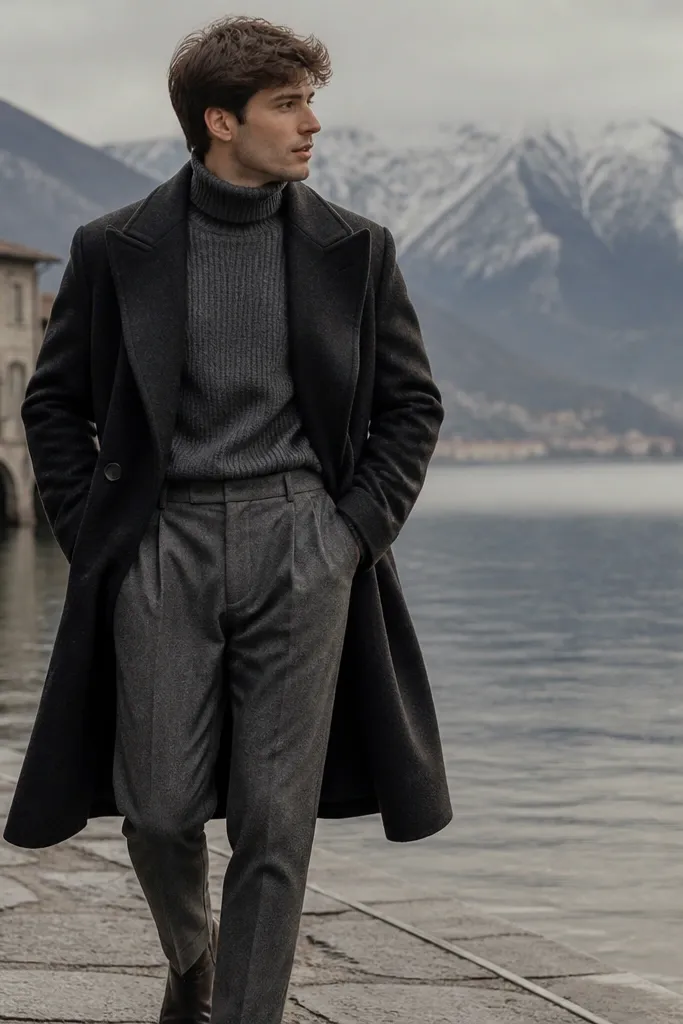
11. Wool overcoats without a warm lining
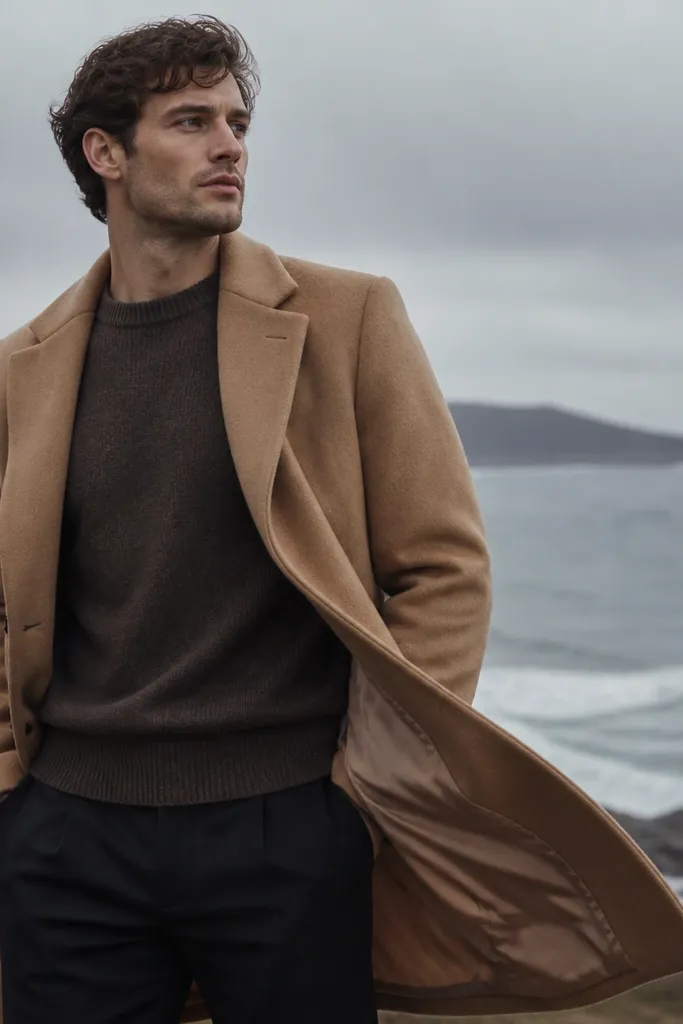
A wool coat can look premium but still underperform if it lacks insulation or a quality lining. Thin linings don’t add warmth and can slide, making layering awkward. If you love the look, prioritize a coat with a heavier body weight wool and a practical lining that blocks wind.
Check the coat body weight and lining thickness. If it feels “light” when you lift it, plan to rely on layers underneath.