1. Buying the wrong brown: warm vs cool undertones
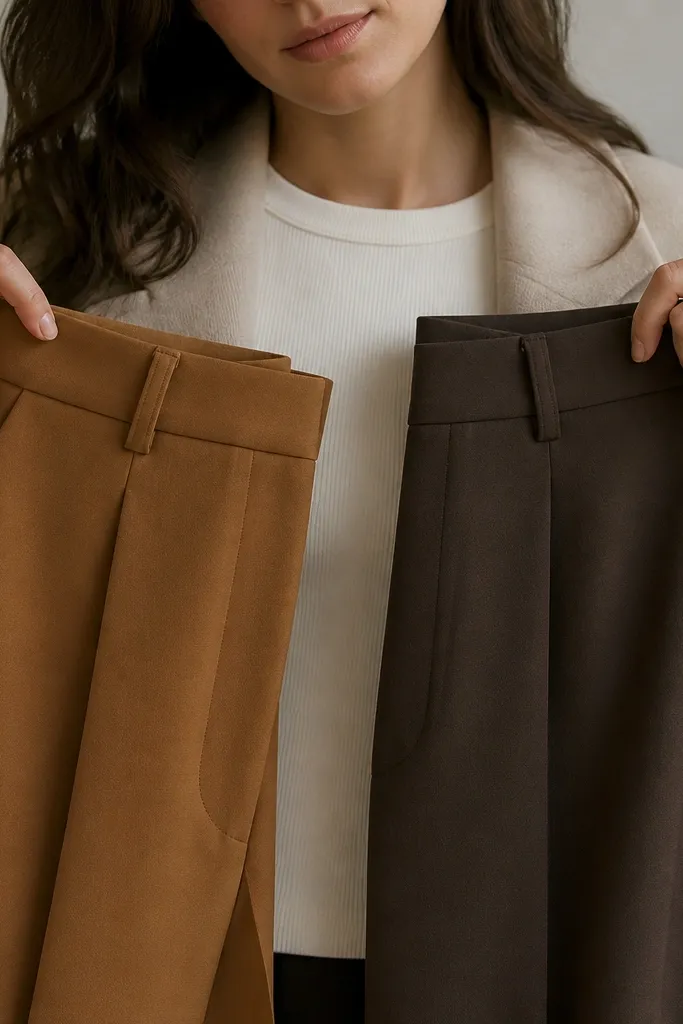
Warm browns (camel, toffee, cognac) flatter when your skin reads golden/olive. Cool browns (espresso, chocolate with a gray tint) look sharper on skin that’s pink/rosy. If you grab the “trend brown” without checking undertone, your outfit can look dull even with nice pieces.
Hold your pants near your face in daylight. If you look more “awake” next to the warm brown, stick to warm tones; if espresso makes your skin look clearer, go cool.
2. The one-tone top trap (everything blends together)
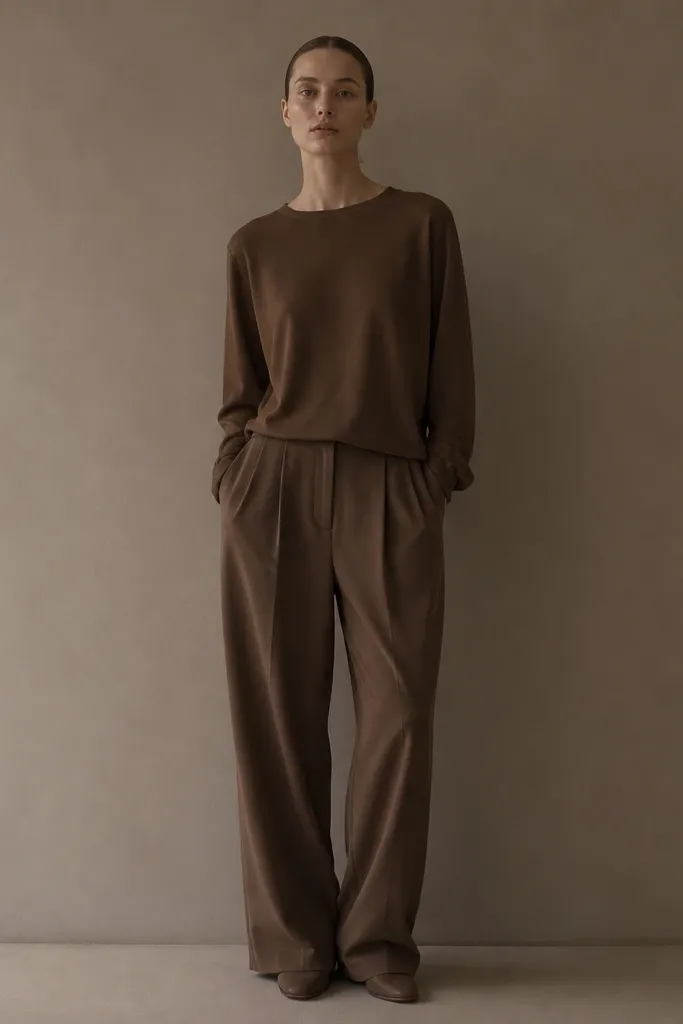
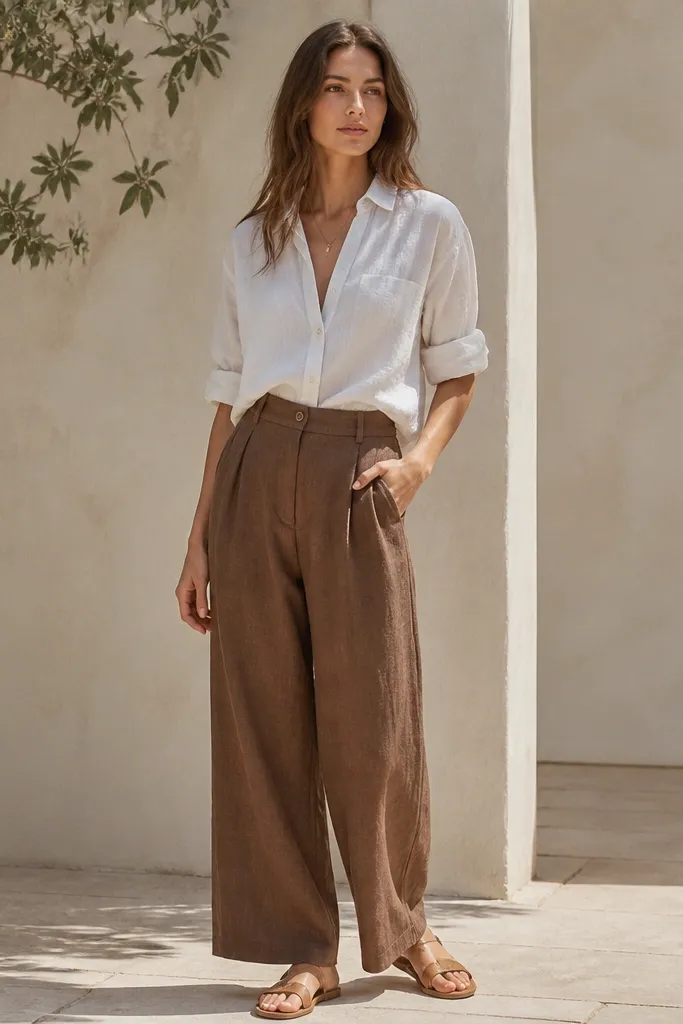
Brown pants need contrast so the outfit reads as a shape, not a blob. When the top is the exact same depth and saturation, your body outline disappears. The fix is either a lighter top, a darker top, or a different texture (like knit + denim).
Pro tipPick your pants depth, then choose a top that’s at least one shade lighter or darker, or swap texture (e.g., smooth trouser + chunky knit).
3. Skipping fabric weight: thin pants with heavy knits (or vice versa)
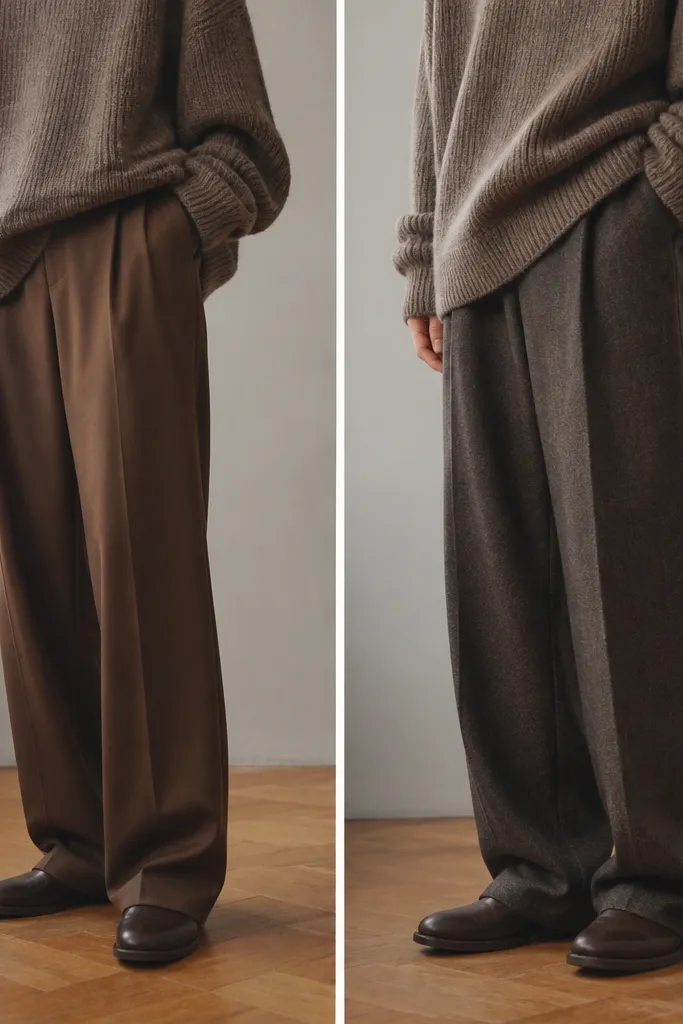
Thin, fluid brown pants with a super heavy sweater can look sloppy because the drape fights itself. Thick wool pants with a clingy thin top can look creased and tense. Your goal is matching drape: similar weight materials look intentional and “tailored.”
Pro tipIf your pants are lightweight (more movement), go for a midweight top. If your pants are structured (wool/cotton twill), you can pull off bulkier knits.
4. Wrong trouser break: pooling or no break at all
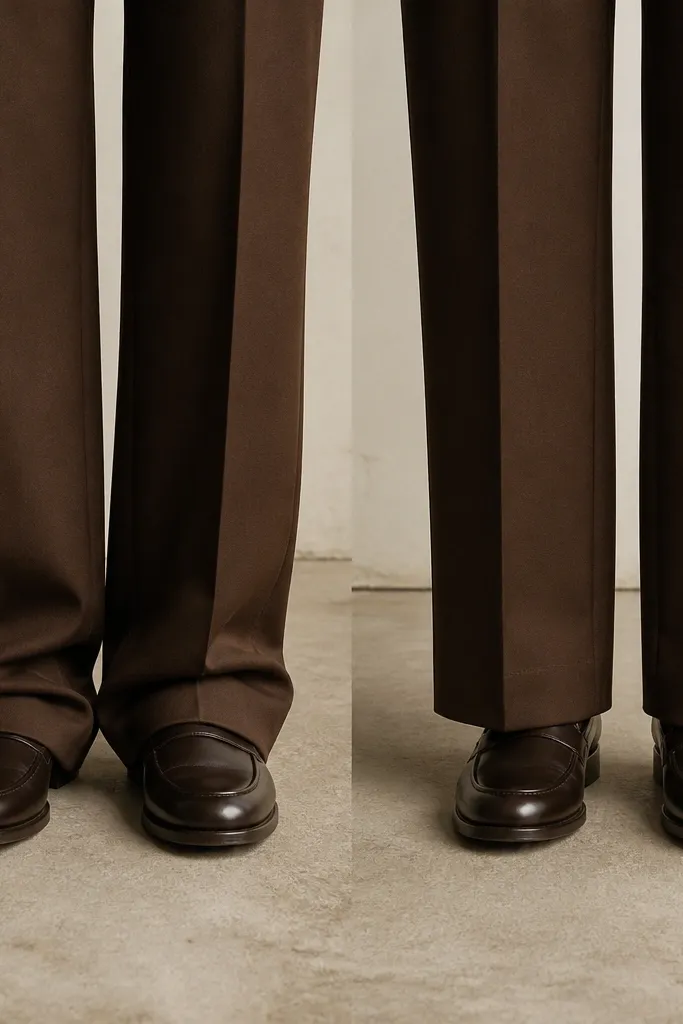
Brown pants look messy when they pool too much, especially with flat shoes. But “no break” can also look harsh if the pants are too long and you end up bunching at the ankle. The sweet spot depends on your shoe height and the pant cut.
Pro tipFor sneakers and loafers, aim for a light break or slight hover at the top of the shoe. If you see bunching, get a hem alteration instead of folding.
5. Cuff confusion: rolling the hem the wrong way
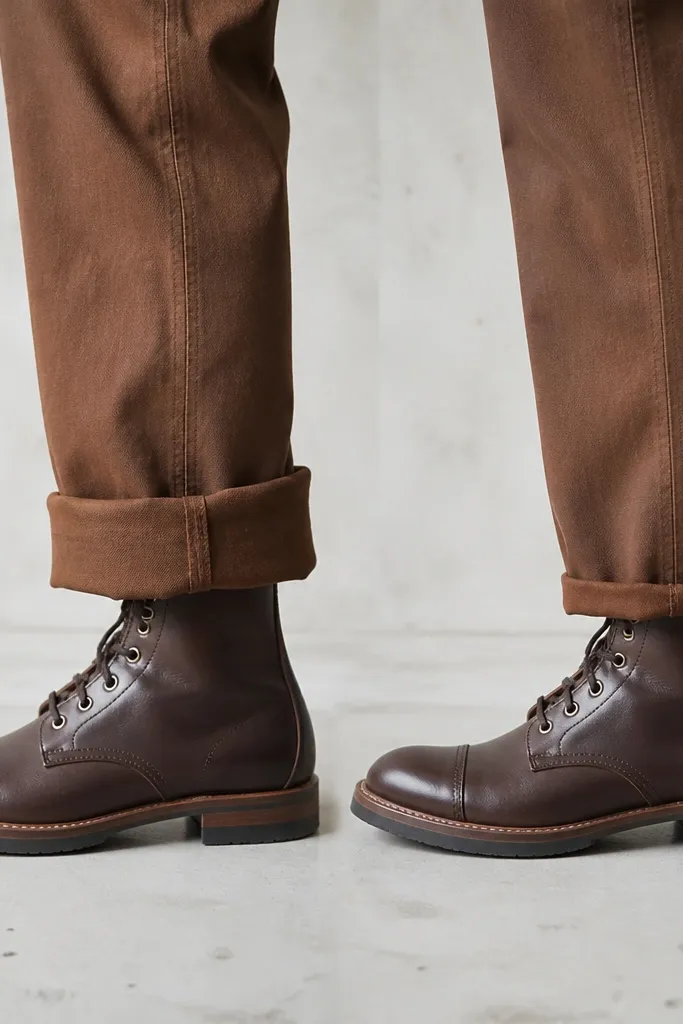
A bulky cuff can add weight where your eye should move smoothly, making your legs look shorter. A slim cuff can work with casual fits and shows intentional styling. Also, rolling too high changes the pant proportion and can make the waist look lower than it is.
Pro tipKeep cuffs narrow: one clean turn, not a thick fold. If you need more than one inch of roll, it’s probably a length issue, not a styling one.
6. Belt-buckle clash: too shiny or too dark
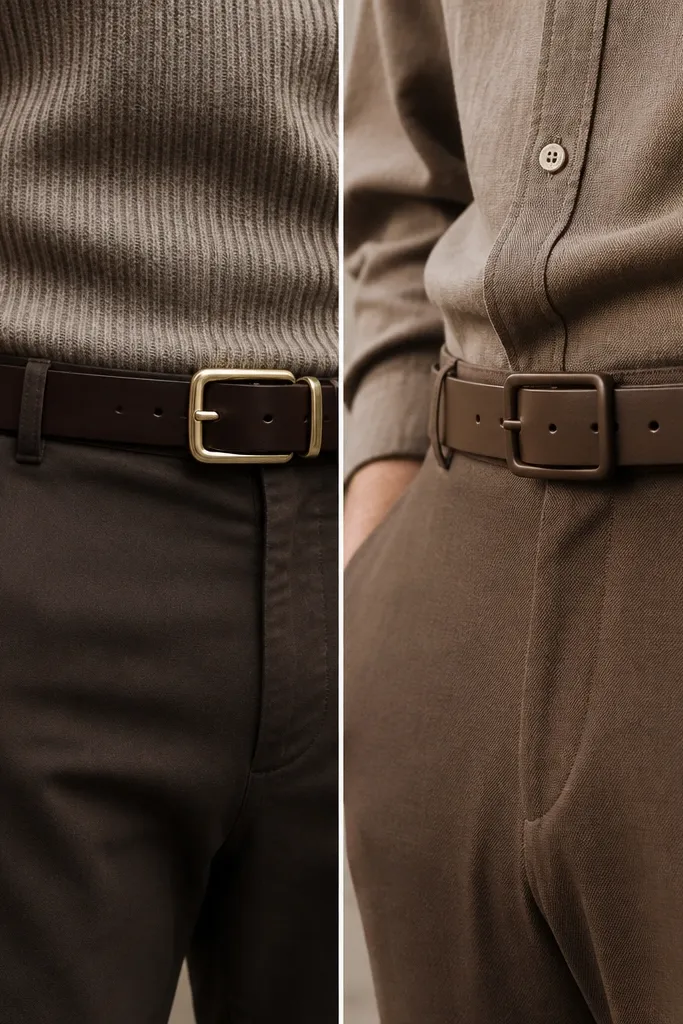
When your belt is a different brown family (warm vs cool), the outfit looks disconnected. Super shiny buckles can overpower casual brown trousers, especially with soft textures. A belt that matches the shoe tone (or is one shade lighter) ties the look together.
Pro tipMatch belt and shoes in finish and depth. Matte leather belts look best with everyday brown pants.
7. The “wrong brown shoe” problem
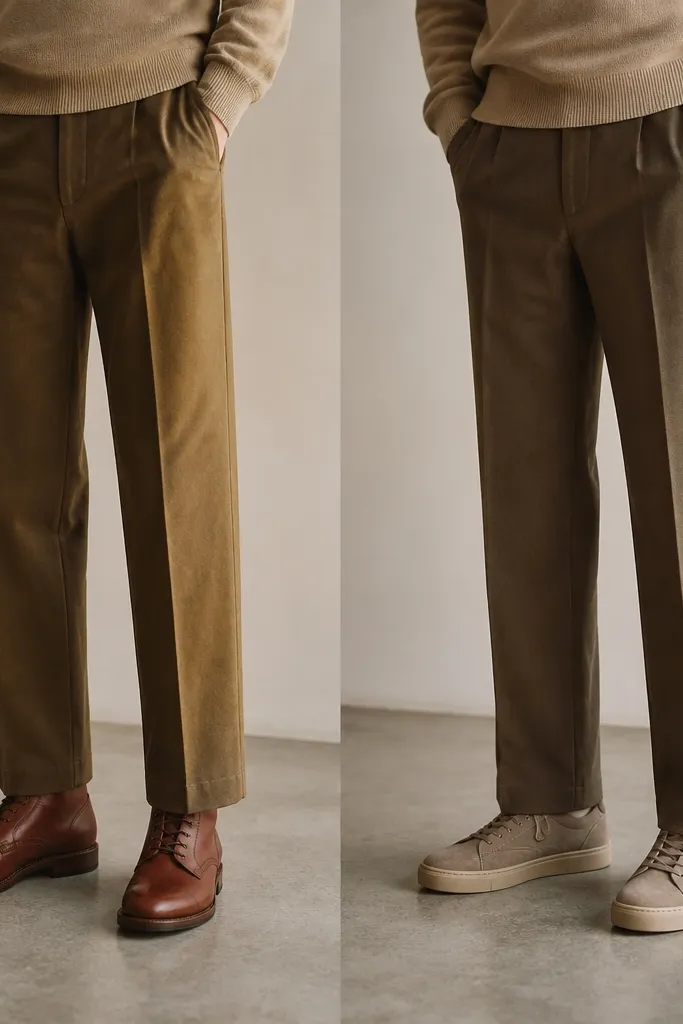
Brown pants don’t automatically pair with every brown shoe. Red-brown boots can clash with golden camel pants, while very dark espresso shoes can look too heavy if your pants are light. Matching undertones (warm with warm, cool with cool) keeps the outfit cohesive.
If your pants are camel/cognac, try taupe, tan, or cognac shoes. If your pants are chocolate/espresso, go for cool brown, gray-brown, or dark espresso.
8. No-sock visibility: the ankle gap that ruins the line
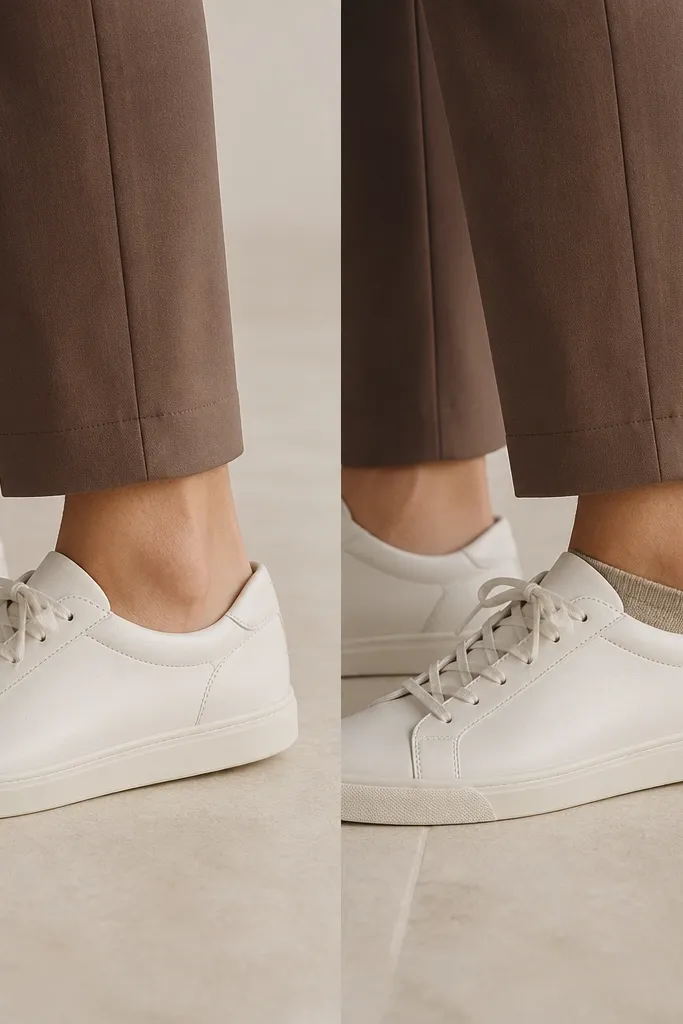
Bare ankles or contrast socks can cut your leg line into awkward segments, especially with cropped or tapered pants. Low-cut socks that match your skin or shoe color help maintain a long, clean silhouette. This is a small thing, but it’s one of the most common “why do I look shorter?” issues.
For sneakers, choose socks in a shade close to your skin or your shoe. For loafers, go no-show or liner socks that don’t slide.
9. Over-tucking: too much shirt fabric at the waist
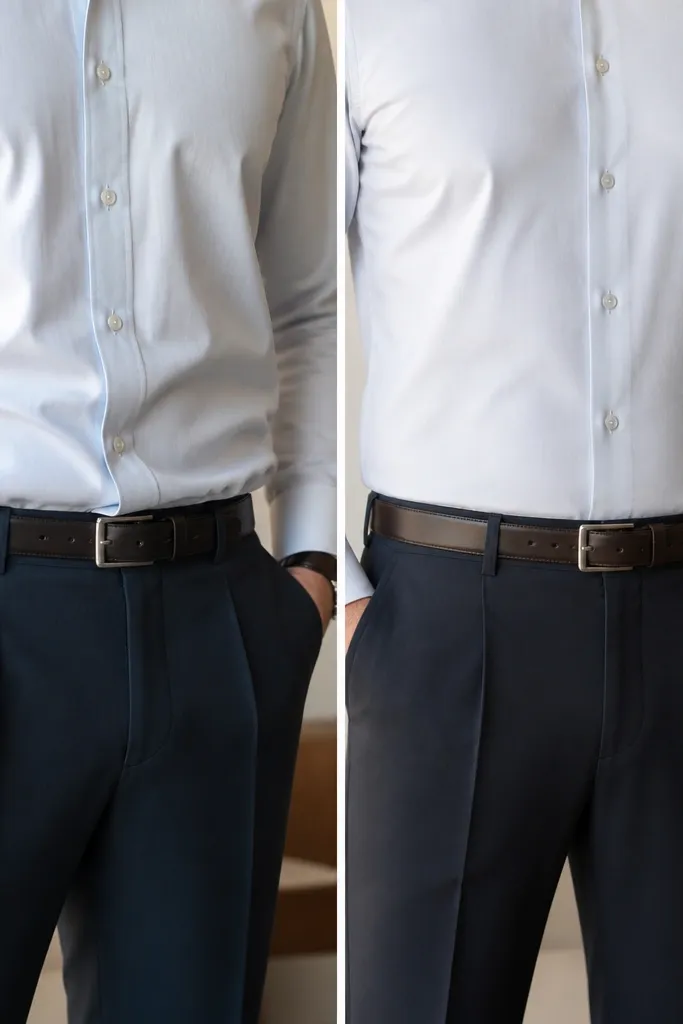
Brown pants already have structure, so extra shirt fabric tends to bunch and look messy. Over-tucking can also make your waist look wider than it is. A partial tuck or a cleaner front tuck keeps the waistline sleek and shows the pant silhouette.
Use a front tuck only. Stop the tuck at the widest part of your torso so the shirt doesn’t fold over the belt.
10. Wrong shirt collar shape for the pant rise
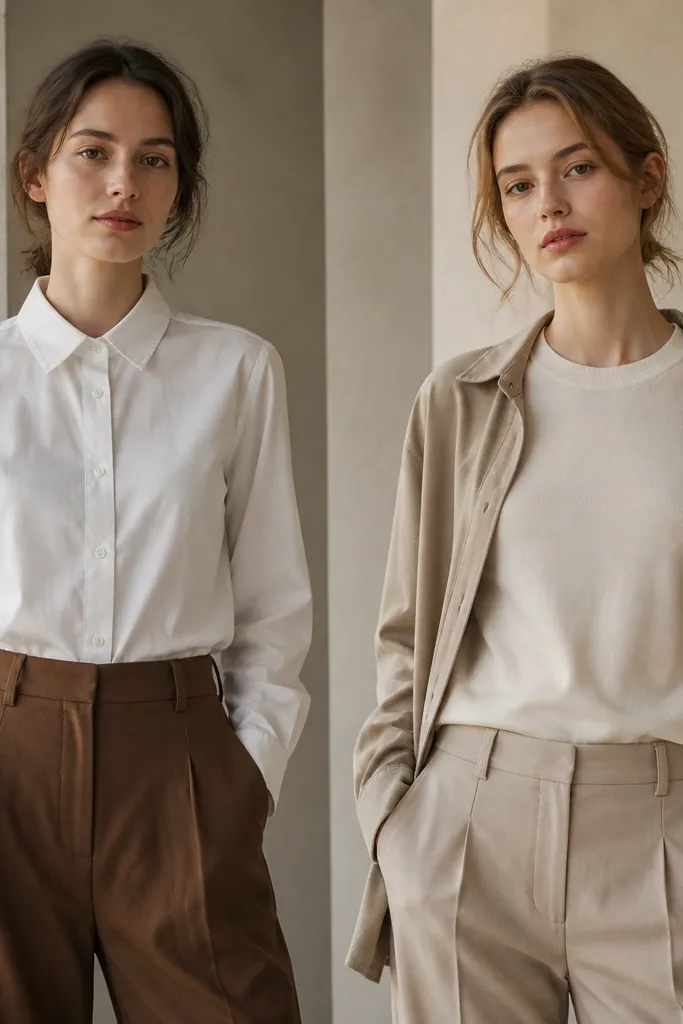
High-rise brown pants change how your neckline sits. A stiff collar can feel boxy if your top is too structured and your pants are tailored. Softer necklines (crew, v-neck, relaxed collar) often look more natural and elongate the upper body when the rise is higher.
If your pants are high-rise, try softer necklines or a slightly lower V. If you wear button-downs, size so the collar doesn’t flare away from your neck.
11. “Casual top + dress pant” mismatch (and the outfit feels like cosplay)
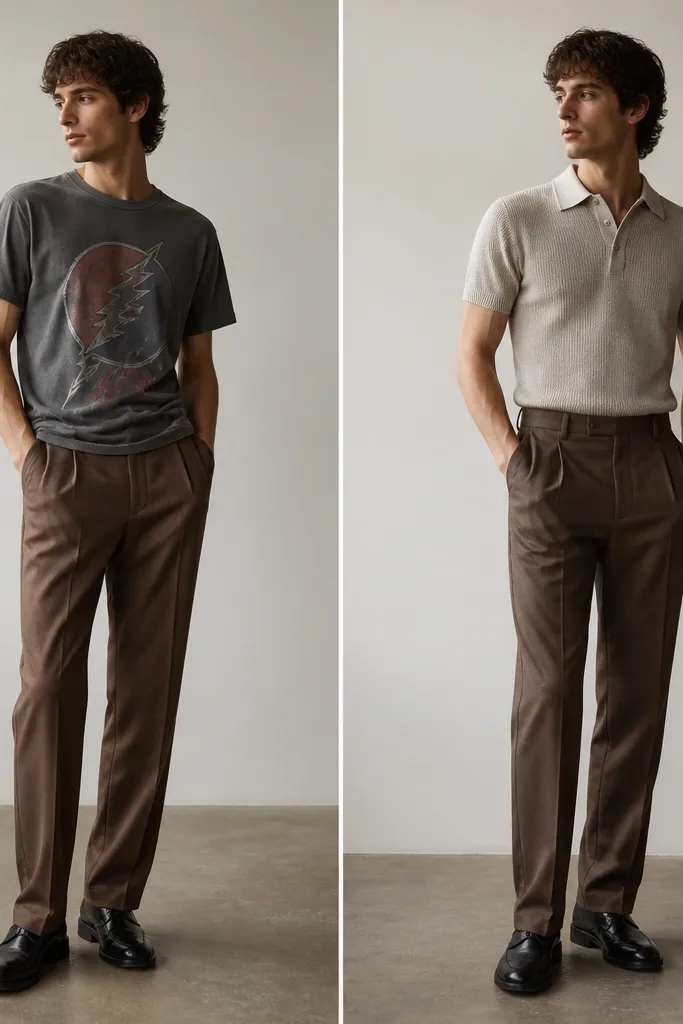
Brown pants can be either workwear/twill or dress-trouser wool. If you pair dressy trousers with an overly casual top, the outfit looks like mixed intentions. The fix isn’t “wear only formal”-it’s matching the casual level and texture complexity.
Pro tipIf your pants are tailored (wool or crisp creases), choose a knit polo, a structured tee with no graphics, or a fine-gauge sweater.
12. Skipping color pop: brown can look flat without one contrast detail
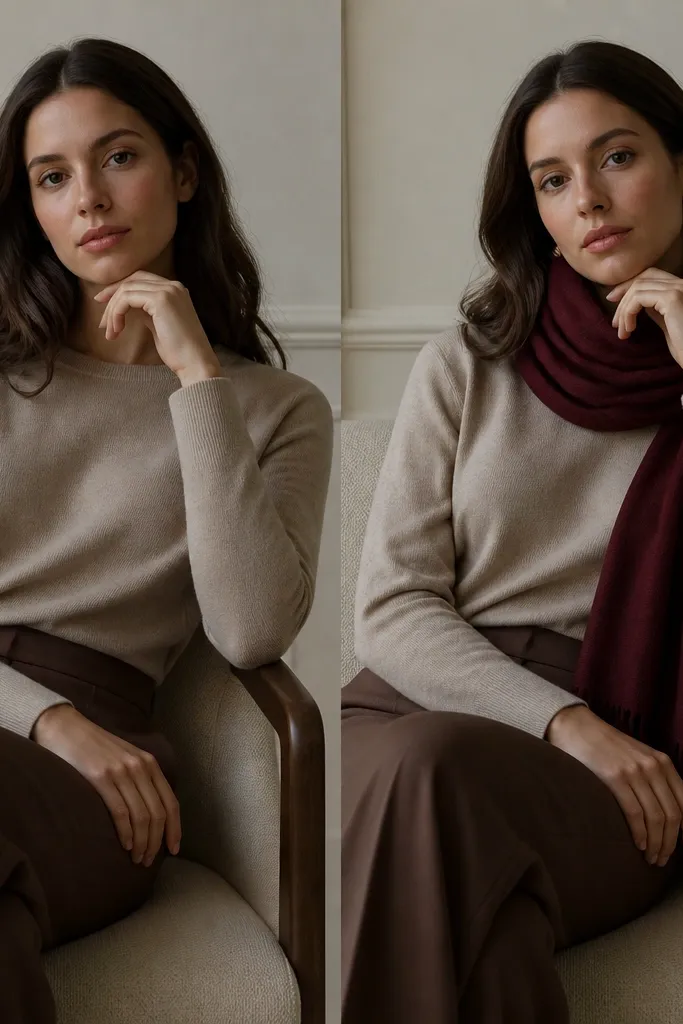
Brown is gorgeous, but it can look “quiet” if every piece is neutral and similar depth. One contrast detail (jewel tone, crisp white, or a light accessory) makes your outfit look styled. Think burgundy, forest green, cream, or even a bright sneaker accent.
Pro tipAdd one pop item: a cream top, a burgundy bag, or a green outer layer. Keep everything else in the brown family so the pop looks intentional.